
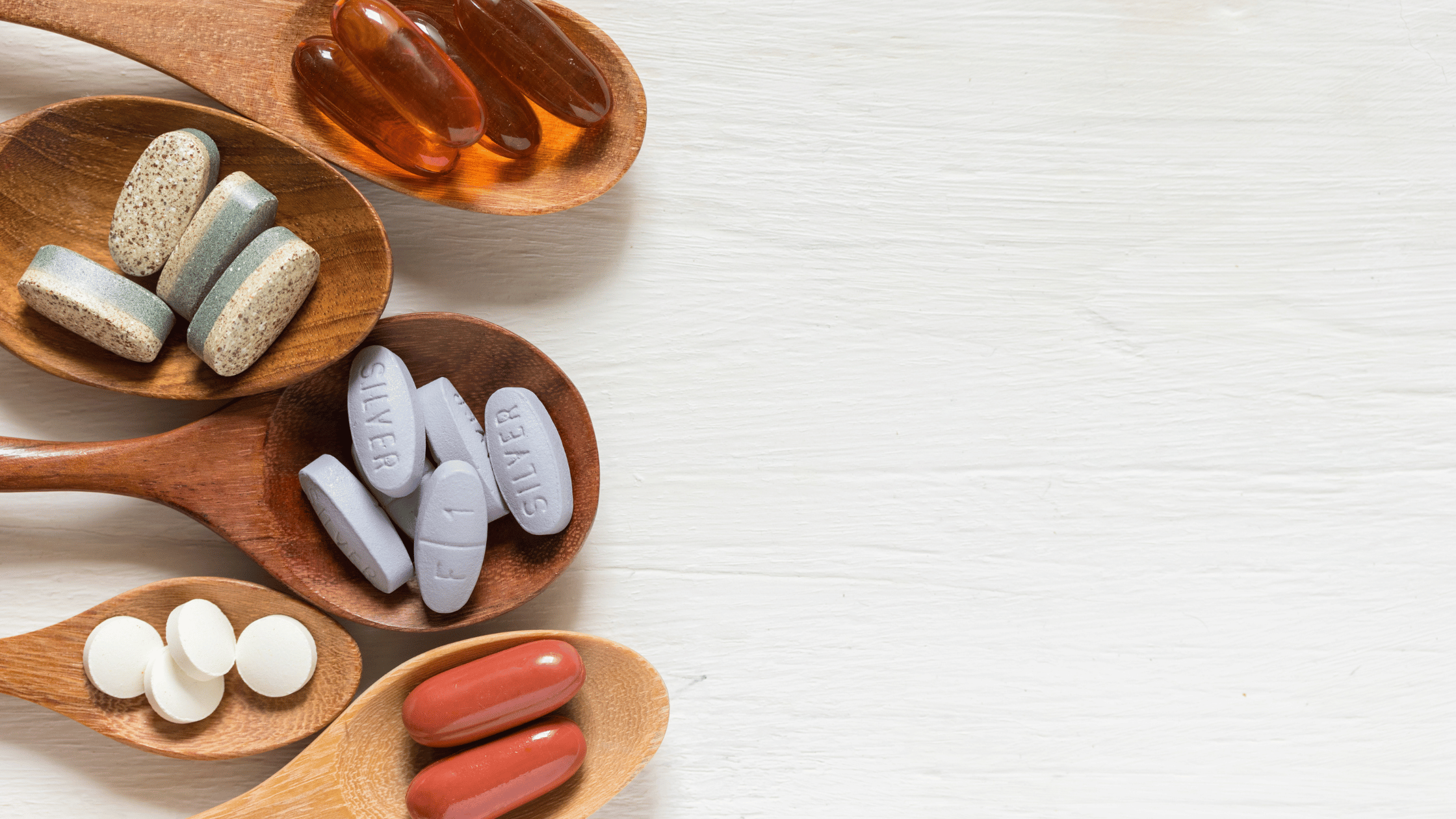
In recent years, probiotics have surged in popularity—and for good reason. These live microorganisms, often referred to as “good bacteria,” offer powerful benefits for digestive health, immune function, and even mental well-being. If you’ve ever experienced bloating, irregular bowel movements, or frequent stomach upset, you might be dealing with an imbalanced gut microbiome. Probiotic supplements provide a natural way to restore that balance and support a healthier, more resilient digestive system.
This comprehensive guide will explore how probiotics work, the signs that your gut may need a reset, the types of probiotics available, and how to use them effectively for long-lasting health benefits.
Understanding Your Gut Microbiome
Your digestive system isn’t just responsible for breaking down food—it’s also home to trillions of microorganisms that form your gut microbiome. This ecosystem includes a mix of bacteria, yeasts, viruses, and fungi that collectively influence everything from nutrient absorption to immune defense.
When your gut is in balance, beneficial bacteria outnumber the harmful ones, creating a healthy environment that supports:
- Efficient digestion
- Strong immune responses
- Hormonal balance
- Reduced inflammation
However, factors like stress, antibiotics, poor diet, and illness can disrupt this balance, leading to digestive discomfort and long-term health issues. That’s where probiotics come into play.
What Are Probiotics and How Do They Work?
Probiotics are live bacteria and yeasts that, when consumed in adequate amounts, provide health benefits to the host—especially by improving or restoring gut flora. They are found naturally in fermented foods such as yogurt, kefir, sauerkraut, and kimchi, as well as in concentrated supplement forms.
Once ingested, probiotics travel through the digestive tract and populate the gut lining, where they:
- Outcompete harmful bacteria by occupying space and consuming available nutrients
- Produce beneficial compounds, such as short-chain fatty acids that nourish intestinal cells
- Enhance the gut barrier, reducing the risk of leaky gut syndrome
- Support immune function by interacting with immune cells and promoting anti-inflammatory responses
By reinforcing your gut’s natural defenses, probiotics help reset and maintain a stable digestive environment.
Signs Your Digestive System Needs a Reset
A healthy gut isn’t just about avoiding stomach aches. The following symptoms may indicate that your digestive system is out of balance and could benefit from probiotic support:
- Frequent bloating or gas
- Constipation or diarrhea
- Chronic fatigue
- Food intolerances or sensitivities
- Skin issues like acne or eczema
- Brain fog or poor concentration
- Unexplained mood swings or anxiety
- Weakened immunity or frequent colds
These issues often stem from gut dysbiosis—a disruption in the ratio of good to bad bacteria in your intestines.
How Probiotics Reset the Gut
1. Restoring Microbial Balance
Probiotics introduce strains of beneficial bacteria that help restore the proper microbial diversity in your gut. By doing so, they crowd out pathogenic microbes and rebalance your internal ecosystem.
For instance, Lactobacillus and Bifidobacterium species are known for their ability to reduce inflammation, combat harmful bacteria, and improve digestive regularity.
2. Improving Digestion and Nutrient Absorption
A well-functioning gut allows you to absorb more nutrients from your food. Probiotics help break down complex carbohydrates, fiber, and lactose, making them easier to digest. They also assist in the production of essential vitamins like B12 and K2.
If you’re taking supplements or following a healthy diet but still feel low on energy, improving your gut health with probiotics can enhance your body’s ability to benefit from those nutrients.
3. Strengthening the Gut Barrier
The gut lining acts as a barrier that prevents toxins, undigested food, and pathogens from entering the bloodstream. When this barrier is compromised (a condition known as “leaky gut”), inflammation and immune responses can escalate.
Probiotics help maintain the integrity of the gut lining by promoting the growth of mucosal cells and producing substances that protect intestinal walls. This leads to better overall gut health and reduced systemic inflammation.
4. Reducing Inflammation
Chronic inflammation is at the root of many health issues, from irritable bowel syndrome (IBS) to autoimmune conditions. Certain probiotic strains help regulate inflammatory responses in the gut, which may alleviate symptoms such as abdominal pain, bloating, and fatigue.
Strains like Lactobacillus rhamnosus GG and Bifidobacterium infantis have shown effectiveness in managing inflammatory bowel conditions.
5. Supporting Mental Health
The gut-brain axis is the communication network that links your digestive tract to your brain. A healthy gut can help regulate neurotransmitters like serotonin, which affects mood and cognitive function.
Studies suggest that probiotics may reduce symptoms of anxiety, depression, and stress. This makes them an important tool not just for digestive health, but for overall emotional well-being.
Choosing the Right Probiotic Supplement
Not all probiotics are created equal. Here’s what to look for when selecting a supplement:
- Multiple strains: Choose a product that contains a variety of strains for broader benefits.
- High CFU count: CFU (colony forming units) indicates the number of live organisms in each dose. Look for at least 5–20 billion CFUs per serving.
- Enteric-coated capsules: These help the bacteria survive stomach acid and reach the intestines intact.
- Third-party testing: Choose brands that are independently tested for quality and potency.
- Specific needs: Some formulas target particular issues, like bloating, immunity, or women’s health.
If possible, consult with a healthcare provider to determine the best probiotic for your individual condition or goals.
Best Practices for Using Probiotics
To get the most out of your probiotic supplement, keep these tips in mind:
- Take it consistently: Probiotics work best when taken daily.
- Pair with prebiotics: Prebiotics are non-digestible fibers that feed good bacteria. Foods like garlic, onions, bananas, and oats are rich in prebiotics.
- Avoid excessive antibiotics: Antibiotics can wipe out both good and bad bacteria. If you must take them, consider following up with a course of probiotics.
- Monitor your response: While mild gas or bloating can occur initially, they usually subside as your body adjusts. If symptoms persist, switch to a different strain or consult your doctor.
Conclusion: Reclaim Your Digestive Health with Probiotics
Your digestive system plays a pivotal role in how you feel—physically, mentally, and emotionally. When your gut is imbalanced, it can affect nearly every aspect of your health. Probiotics offer a natural, effective way to reset your gut microbiome, support nutrient absorption, reduce inflammation, and enhance your immune and mental health.
By choosing the right supplement and incorporating it into your daily routine, you take an active step toward long-term wellness. Whether you’re recovering from antibiotic use, managing chronic digestive issues, or simply aiming to improve your overall well-being, probiotics can be a valuable ally on your health journey.